The tiny bodysuit is folded. The charger is still beside the sofa. Your maternity notes are needed at tomorrow's appointment. Does the hospital bag have to sit fully packed for a month, and how much of the internet's enormous checklist do you actually need?
The NHS says it may be a good idea to have your hospital bag packed at least three weeks before your due date. For a 40-week due date, that is around 37 weeks. Your own maternity team may advise preparing sooner if you are expecting twins or more, have a planned induction or caesarean, have previously given birth early, live far from your unit, or have another individual reason.
The calmest approach is not one giant suitcase. Pack a small labour-and-birth bag, a baby bag and a clearly labelled top-up bag that can stay at home. Keep the things you still use, such as your phone, medicines, maternity notes and glasses, on a last-minute list by the door.
The five-minute answer
If you are short on time, prioritise:
- maternity notes and a brief birth-preferences page
- any medicines you take, plus glasses or contact-lens supplies
- loose labour clothes, shower shoes, toiletries and a long charging cable
- water bottle and snacks allowed by your maternity unit
- comfortable clothes, large pants and super-absorbent maternity pads for afterwards
- newborn and next-size bodysuits and sleepsuits, nappies, wipes or cotton wool, muslins, a hat and a blanket
- a correctly fitted, suitable rear-facing car seat if the baby will travel home by car
- food, toiletries, charger and a change of clothes for your birth supporter
Check your hospital or birth centre's own list before buying anything. Units differ in what they provide, what food is available, visiting arrangements, storage space and whether a birth pool, fan, formula-feeding supplies or towels need advance planning.
When should I pack my hospital bag?
The current NHS hospital-bag checklist says it may be a good idea to have it packed at least three weeks ahead of the due date. Only about one baby in 20 arrives on the estimated due date, so the date is a planning point rather than an appointment.
| Your situation | A practical packing plan | |---|---| | Straightforward singleton pregnancy | gather from 32 to 34 weeks; aim to finish by 37 weeks | | Planned induction or caesarean | use the date and hospital-specific instructions from your maternity team | | Twins or more, previous early birth, long journey or a higher chance of earlier admission | ask your team when they want you ready; do not wait for a generic week | | Home birth planned | prepare the items your home-birth team requests, plus a transfer bag just in case | | Already beyond 37 weeks | pack the essentials today; it does not need to be beautiful or complete |
If your maternity team has given you a personalised plan, that plan wins. Packing early does not mean labour is expected early. It simply removes one job from a potentially intense day.
A hospital-bag system that avoids overpacking
Bag 1: labour and immediate needs
This is the bag you want within reach rather than under three other bags. Put documents and items you may ask for quickly near the top:
- maternity notes and birth preferences
- prescribed or regular medicines
- glasses, contact-lens supplies or hearing equipment
- loose clothes or nightwear for labour
- dressing gown, socks and washable slippers or flip-flops
- lip balm, hair ties and a compact wash bag
- water bottle, simple snacks and any drinks your unit permits
- phone, long charging cable or charged power bank
- fan or water spray
- TENS machine and spare batteries if you plan to use one
- an eye mask, headphones or a familiar playlist
Your birth plan does not need to be a perfect script. The NHS birth-plan guide describes it as a way to tell the team what matters to you, while recognising that circumstances can change. One readable page is often more useful than a folder nobody can scan quickly.
Useful headings include:
- what helps me feel calm, safe and informed
- who I want with me
- movement, positions, water and pain-relief preferences
- communication, accessibility, cultural or sensory needs
- skin-to-skin, cord and feeding preferences
- what matters if assisted birth or caesarean birth is recommended
Use language such as “I would prefer…” and “If that is not possible, please explain the alternatives.” A changed plan is not a failed birth.
Bag 2: recovery and the first day
Post-birth comfort items are easy to underestimate. Pack:
- several pairs of large, soft or disposable pants
- two packets of super-absorbent sanitary or maternity pads, following your unit's list
- two or three comfortable bras, including nursing bras if wanted
- breast pads
- loose nightwear and two or three comfortable changes of clothes
- a going-home outfit that allows for a post-birth bump and tenderness
- towel and ordinary toiletries if your unit asks you to bring them
- a spare bag for washing
Dark, soft and easy to wash is a sensible brief. Nobody needs pre-pregnancy jeans for the journey home.
Take the medicines you currently use and tell the maternity team what you have brought. Do not start, stop or share medicines because a packing list suggests it; follow your own clinical instructions.
Bag 3: baby
Babies need surprisingly little. A practical starting set is:
- a few bodysuits or vests and sleepsuits
- at least one outfit in the next size up
- a weather-appropriate going-home layer
- a hat for the journey and socks or booties if wanted
- newborn nappies
- cotton wool or suitable wipes
- muslin squares
- a blanket or shawl
- a car seat for a journey home by car
Separate the first outfit, nappy and hat in one small pouch. If you are tired or cannot reach the bag yourself, somebody can find the set without unfolding everything.
Do not add cot bumpers, sleep positioners, pillows, pods or weighted bedding to the hospital bag. Ask your maternity team what the baby will sleep in during the stay and follow safer-sleep guidance at home.
Bag 4: the birth supporter
The person supporting you needs enough energy and basic comfort to stay useful:
- snacks and drinks
- phone and charger
- a change of clothes
- toothbrush, toothpaste and deodorant
- any medicines they take
- glasses or contact-lens supplies
- swimwear if the unit allows them into a birth pool
- payment method or parking information
They should also know where the bags, maternity notes, unit entrance and phone number are. “Keeper of the long charger” is a legitimate birth-support role.
What should stay on the last-minute list?
Some essentials cannot live in a bag for weeks. Put a short checklist on the handle or by the door:
- maternity notes if you still take them to appointments
- phone
- medicines
- glasses or hearing aids
- wallet and keys
- chilled food or drink
- water bottle
- pillow, if you still use it at home
Add the maternity triage number and route to the unit. The list should be visible to whoever may collect the bag.
How many baby clothes and nappies should I take?
There is no perfect number because length of stay, baby size and what the unit supplies vary. Pack enough for the expected stay plus a little margin, then keep an organised top-up bag at home. A supporter can bring it if plans change.
That approach is better than carrying several days of every size through triage. Label the top-up bag and show another person where it is. If you expect a longer admission, ask the maternity team what storage is available.
What changes for a planned caesarean or induction?
The core list stays the same, but your hospital may advise:
- extra changes for a potentially longer stay
- very high-waisted, soft pants that sit comfortably away from an abdominal wound
- loose clothing that does not press on the wound
- slip-on footwear
- any admission paperwork or pre-operative instructions
- entertainment, charger and supporter supplies for a longer induction process
Follow the admission instructions exactly, especially about eating, drinking and medicines. A general hospital-bag article cannot safely replace your individual pre-operative or induction plan.
If you have accessibility, continence, stoma, mobility, diabetes, allergy, religious or sensory needs, discuss them in advance. Pack the equipment you have been told to bring and put essential communication needs at the top of the bag.
Do I need formula or bottles in my hospital bag?
Policies differ. If you plan to formula feed or combination feed, ask your maternity unit what it provides and what it expects you to bring. Do not assume that advice from another hospital applies to yours.
You can include your feeding preferences in the birth plan, but feeding can change after birth. Ask for skilled help with positioning, attachment, hand expression, paced bottle feeding or a feeding plan as relevant. The goal is safe support for you and your baby, not loyalty to a pre-packed script.
Car-seat preparation belongs outside the bag
The seat itself is not a suitcase item, but fitting practice belongs on the same preparation list. If your baby will travel by car, choose an approved seat suitable for their size, read the manufacturer instructions and practise fitting it before the birth.
Under current UK child-car-seat rules, height-based seats must remain rear-facing until the child is over 15 months. A rear-facing seat must never be used in front of an active frontal airbag. Check both the vehicle manual and seat instructions rather than relying on a social-media fitting video.
Follow the seat manufacturer's clothing and harness instructions. Use the seat for travel, not as the baby's routine sleep space after arriving home. The NHS advises taking a sleeping baby out of the car seat as soon as you reach your destination. If your baby needs neonatal or specialist care, follow the discharge team's positioning and travel advice.
Seven things you can usually leave at home
Unless your unit specifically requests them, think twice about:
- an entire newborn wardrobe
- valuable jewellery or large amounts of cash
- full-size toiletries when small containers will do
- scented room products or candles
- multiple pillows and bulky blankets
- baby sleep gadgets, positioners or decorative bedding
- anything bought only because a viral checklist called it essential
The useful question is: Will this item support labour, recovery, feeding, hygiene, communication or the journey home? If not, it can probably wait.
How the real OBubba app turns preparation into small steps
OBubba's pregnancy experience does not treat the hospital bag as an isolated shopping list. In the current app, the For you hub places Hospital bag packed beside other meaningful readiness steps such as Car seat fitted, Safe sleep space ready and First tiny clothes washed.
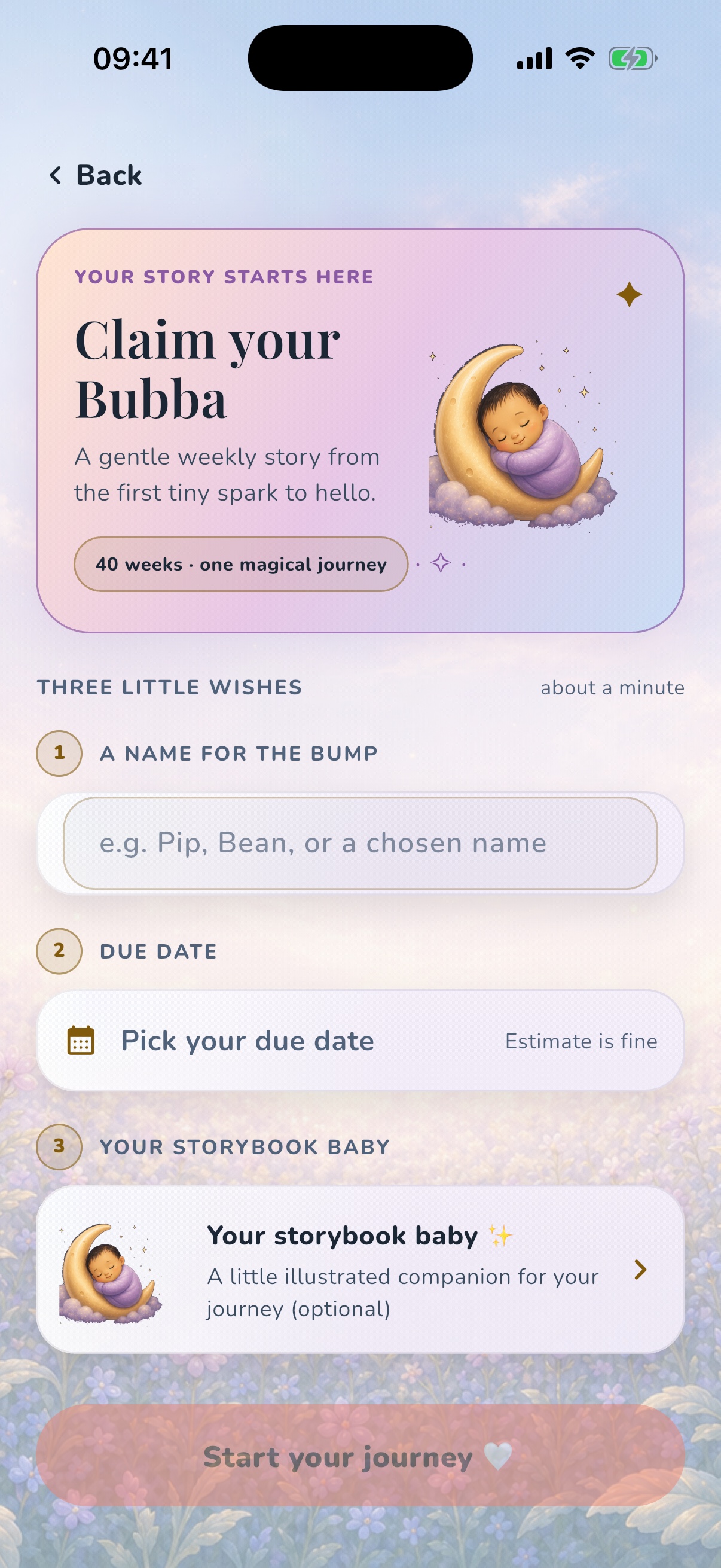
The underlying preparation guide follows the same mental model as this article:
- labour essentials first
- recovery items for the birthing parent
- a short baby list
- a separate list for the birth supporter
- honest reminders such as the long charger, plentiful pads, dark comfortable clothes and snacks
The guide is rendered as a swipeable card deck: one short section at a time, with progress dots and a clear Next or Done action. That design choice matters late in pregnancy. “Pack the whole future” is overwhelming; “read one card and put three things by the door” is achievable.
The same preparation library includes birth preferences, pain-relief options, the first postnatal week, newborn sleep, emotional wellbeing and breast, formula and combination feeding. Clinical topics defer to a midwife, GP, health visitor, anaesthetist or feeding specialist, and the content deliberately avoids medicine doses.
OBubba then continues after the birth, keeping feeds, nappies, sleep, growth, medicines, appointments, milestones, family handovers and memories in the same home. The aim is continuity: prepare gently now, then have a calmer shared record when sleep is short and nobody remembers which pocket holds the muslin.
Try OBubba free → Pregnancy preparation, practical tools and the baby's everyday story in one calm app.
A 20-minute packing reset
If the bag has become a source of guilt, set a timer and do only this:
- Put the bag on the bed.
- Add maternity notes, one loose outfit, large pants, pads and toiletries.
- Add two baby outfits, nappies, muslins, a hat and blanket.
- Put a charger and supporter snacks beside it.
- Write the last-minute list.
- Check your unit's official list.
- Stop.
You can refine it later. A useful half-packed bag is better than a perfect checklist living in a browser tab.
Frequently asked questions
Is 32 weeks too early to pack a hospital bag?
No. Gathering from around 32 weeks can make the job easier, especially if you prefer to spread costs or preparation. The NHS suggests having it packed at least three weeks before the due date.
Is 36 weeks too late?
No, but it is a good time to finish. Pack the essentials first and do not delay because you lack optional items. If you think labour may be starting or have an urgent symptom, call your maternity unit rather than finishing the bag.
Should I use a suitcase or changing bag?
Use whatever is easy to carry, open and identify. Several small organised bags can be easier than one large case. Check space and luggage guidance with your unit.
Should I bring my own pillow?
The NHS includes a pillow as an optional comfort item. Use a distinctive pillowcase, and only bring it if you can carry and store it easily.
Where should I keep the hospital bag?
Keep it somewhere obvious and accessible, not buried in a loft or locked car. Tell your supporter or backup person where it is and leave the last-minute list attached.
Can OBubba tell me exactly what my hospital provides?
No. Hospital policies and individual care plans vary. OBubba can organise general preparation into manageable steps, but your maternity unit is the authority for admission, feeding supplies, medicines and what to bring.
Reliable UK sources
- NHS Best Start in Life: Hospital bag checklist
- NHS Best Start in Life: What to include in your birth plan
- GOV.UK: Child car seats, the law
- NHS: Sudden infant death syndrome
This UK-oriented article is general preparation information, not medical advice. Follow your maternity team's individual instructions. Contact your midwife or maternity unit promptly if you think labour may have started, your waters break, you have vaginal bleeding, your baby is moving less than usual, you are under 37 weeks with possible labour, or anything feels wrong. Call 999 in an emergency.
Ready to try OBubba?
Use OBubba to track feeds, sleep, naps, nappies, growth, milestones and family handovers in one calm baby tracker app.